
Christiana Jayeoba
Author
Why Your Tech Stack Needs a Strategy Not Just Tools

4 Mins Read


Jul 17, 2025



In today’s digital economy, it’s easy to believe that the more tools you adopt, the more efficient your business will become. A new CRM here, a project management platform there, sprinkle in some automation tools, and boom you’re digitally transformed, right? Not quite. The truth is, tools alone don
In today’s digital economy, it’s easy to believe that the more tools you adopt, the more efficient your business will become. A new CRM here, a project management platform there, sprinkle in some automation tools, and boom you’re digitally transformed, right?
Not quite.
The truth is, tools alone don’t solve problems. In fact, too many tools without direction can create more issues than they fix: bloated systems, misaligned data, overwhelmed teams, and lost productivity.
What your business truly needs is a strategy—a clear, intentional framework that guides the why, how, and what behind your tech choices.
1. Tools Are Tactics. You Need a System.
Think of your business like a body. Tools are the muscles but strategy is the nervous system that coordinates every movement. Without it, your muscles might pull in different directions, and you end up doing more harm than good.
When you implement tools without a strategy, you often:
- Duplicate workflows across platforms
- Silo information in different apps
- Burn out employees who now have to learn 7 new tools that barely speak to each other
- Lose sight of your original business goals
It’s not about how many tools you use, it’s how well they work together to drive your outcomes.
2. A Strategy Helps You Define What “Success” Looks Like
Before choosing any tool, ask: What business problem am I solving?
Do you need to reduce manual processes? Improve customer engagement? Speed up reporting?
A strategic approach starts with your business goals, not the features on a software’s pricing page. Every tool in your stack should be tied to a clear function and measurable KPI. Otherwise, you’re just collecting apps.
A good strategy answers:
- Where is your business headed?
- What operational gaps need to be filled?
- Which workflows can be improved or automated?
- What’s the total cost—not just of the tool, but of the time it takes to implement, integrate, and train?
3. Strategy Ensures Integration, Not Isolation
One of the biggest hidden costs of poor tech planning is disconnected systems.
You might have:
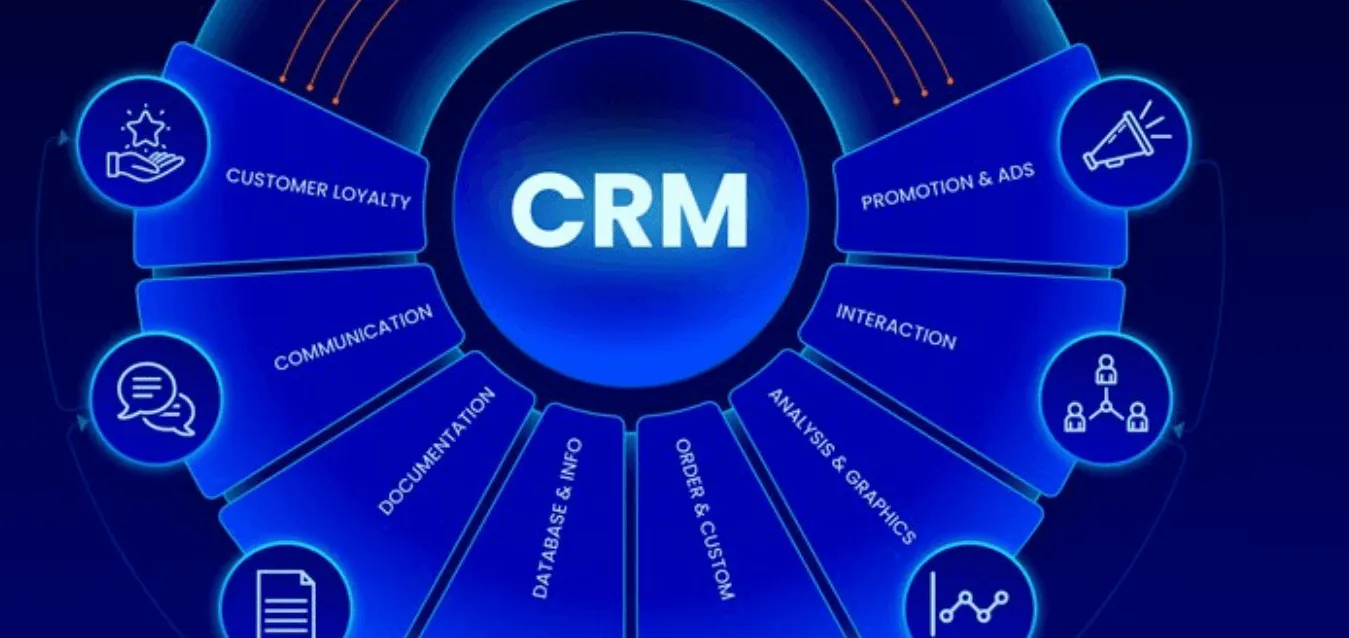
- Customer data in your CRM
- Sales data in a spreadsheet
- Operations tracking in Trello
- Emails in four different inboxes
This fragmentation leads to:
- Inefficient processes
- Duplicated efforts
- Missed opportunities
With a smart strategy, you build an integrated tech ecosystem where data flows seamlessly between tools, automation reduces human error, and your team can work in sync across departments.
4. Tech Without Strategy Is Expensive
There’s a financial cost to adding tools but an even bigger cost to adding the wrong ones.
When your tech stack grows without guidance:
- You pay for unused or underused subscriptions
- You waste employee time on training and workarounds
- You spend more on maintenance, consultants, and troubleshooting
In contrast, a strategy-led stack:
- Prioritizes tools that match your team’s skill level and your company’s growth stage
- Invests in platforms that scale with your business
- Avoids shiny object syndrome and keeps your budget focused
5. Strategy Empowers Teams, Not Just Systems
A solid tech strategy isn’t just about platforms, it’s about people.
Your employees are the ones using these tools every day. If they’re constantly switching between apps, juggling logins, or creating manual workarounds, you’ve lost the productivity gains the tools promised.
With strategy:
- You streamline workflows around how your teams actually work
- You provide better training and documentation
- You ensure tools are empowering not overwhelming your team
So How Do You Build a Strategic Tech Stack?
Here’s a framework to start:
Step 1: Audit What You Already Use
- What tools are in your current stack?
- Who uses each one?
- Are they integrated or isolated?
- Which ones are delivering value?
Step 2: Map Your Business Objectives
- What are your top 3 goals over the next year?
- Where are the bottlenecks?
- What processes need to be automated or improved?
Step 3: Define Your Core Systems
You don’t need everything. You need:
- A strong CRM (customer relationships)
- A workflow/project management tool (operations)
- A data/reporting tool (insights)
- A communication platform (collaboration)
- A flexible integration system (APIs/zapier/low-code tools)
Step 4: Eliminate, Integrate, or Consolidate
- Remove tools you no longer need
- Integrate those that should talk to each other
- Replace overlapping tools with unified platforms
Step 5: Train and Align Your Team
- Roll out new systems with clarity
- Provide team-wide training
- Get feedback and adjust the strategy as needed

Strategy First, Then Tools
The future of business isn’t just digital, it’s intentionally digital.(attach website link)
In this future, success won’t come from who has the most tools but from who uses their tools with the most clarity, purpose, and strategy.
**Tech ≠ random apps.
**It’s a system.
And systems only thrive when built on strategy.

How Remote Tech Teams Can Thrive Without Daily Standups
Christiana Jayeoba
Aug 8, 2025

From Chaos to Clarity: How Operations Makes or Breaks a Tech Startup
Christiana Jayeoba
Aug 22, 2025

The Rise of Technical Storytellers: Why Devs Should Learn to Speak Like Founders
Christiana Jayeoba
Aug 30, 2025