
Christiana Jayeoba
Author
Why Most MVPs Fail (and What Successful Teams Do Differently)

2 Mins Read


Nov 20, 2025


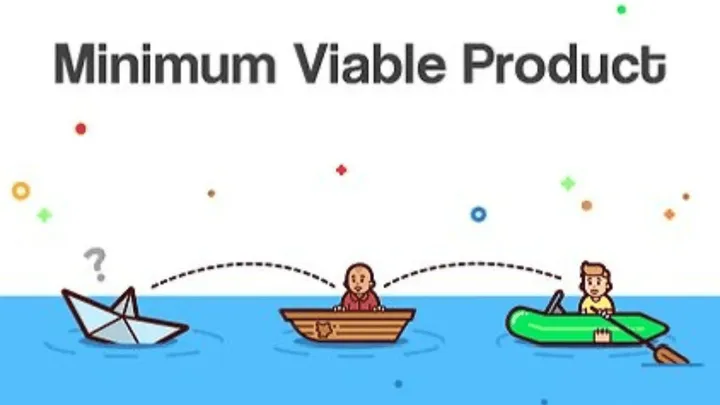
Everyone loves the idea of an MVP; build fast, launch faster, learn quickly.But here’s the uncomfortable truth: Most MVPs don’t fail because of bad engineering.They fail because they never tested the right thing. The startup world glorifies speed, but speed without direction?That’s just a fast way t
Everyone loves the idea of an MVP; build fast, launch faster, learn quickly.
But here’s the uncomfortable truth:
Most MVPs don’t fail because of bad engineering.
They fail because they never tested the right thing.
The startup world glorifies speed, but speed without direction?
That’s just a fast way to waste money.
The Myth of “Just Build Something”
The MVP movement started with good intentions, but somewhere along the line, it got distorted into:
“Ship anything, we’ll fix it later.”
Except later rarely comes.
Teams spend weeks building:
● dashboards nobody needs
● features users didn’t ask for
● flows that don’t solve the core problem
They validate effort, not outcomes.
They measure activity, not impact.

The Real Purpose of an MVP
An MVP is not:
✖ a baby version of your full product
✖ a checklist of features
✖ a half-baked app to impress investors
A real MVP is:
a controlled experiment to test one assumption.
Not three.
Not ten.
One.
The question is simple:
What must be true for this idea to work?
If you can’t answer that, you don’t need developers
you need clarity.
The ROI of Testing the Right Thing
When teams test the wrong thing:
● they build too much
● they learn too little
● they burn out quickly
● they pivot out of fear, not insight
But when they test the right thing:
● they identify customer motivations
● they understand buying behavior
● they discover what users actually value
● they reduce waste dramatically
An MVP shouldn’t just give answers,
it should kill bad ideas fast and validate good ones faster.

How FastSailTech Builds MVPs That Succeed
We don’t chase features.
We chase clarity.
Our MVP process focuses on:
● defining the single assumption we’re testing
● mapping the fastest path to evidence
● validating before designing
● designing before building
● building only what matters
We help founders avoid the trap of “feature-first thinking” and embrace evidence-driven execution.
That’s how you build an MVP that actually works,
not one that looks nice but delivers nothing meaningful.
Conclusion
An MVP is only as strong as the clarity behind it.
If you test noise, you’ll learn noise.
If you test value, you’ll build value.
The future belongs to teams who experiment with intention
not teams who ship for applause.
Want a smarter way to validate ideas?
Work with FastSailTech where MVPs are built to learn, not just to launch.

Why Building Scalable Web Apps Is a Game-Changer for Businesses
Christiana Jayeoba
Nov 27, 2025

Data Strategy: Turning Insights Into Competitive Advantage
Christiana Jayeoba
Jan 22, 2026

Why Scalable Tech Is a Growth Strategy, Not a Technical Nice-to-Have
Christiana Jayeoba
Feb 6, 2026